Soft landscaping in Tooting
If you are looking for soft landscaping in Tooting, you are probably hoping to transform an outdoor space into something greener, tidier, and easier to enjoy every day. Whether it is a compact back garden near Tooting Broadway, a shared courtyard close to Tooting Bec, the front of a terraced home off the High Street, or a small commercial outdoor area that needs a professional finish, the right planting and surface work can make a huge difference.
Soft landscaping covers everything that brings life, colour, texture, and seasonal interest to a garden or outdoor plot. It is the part of landscaping that works with living materials and natural finishes: turf, planting, soil preparation, borders, mulching, hedging, decorative bark, edging, and more. For local property owners, it is often the most effective way to improve kerb appeal, create a usable family space, or refresh a tired garden without a full structural build.
In a busy South West London area like Tooting, outdoor spaces are often compact, awkwardly shaped, or shared between neighbours. That is exactly why local knowledge matters. A well-planned soft landscaping project can take into account shade from nearby buildings, narrow side access, soil conditions, privacy concerns, and the practical realities of working around busy streets, parking restrictions, and lived-in homes.
Why soft landscaping works so well for Tooting properties

Tooting has a mix of property styles, from Victorian and Edwardian terraces to flats, maisonettes, converted buildings, and newer developments. Many of these properties have outdoor areas that need clever planning more than they need major construction. That is where soft landscaping fits perfectly. Instead of focusing on hard structures, the work can improve the whole feel of the space through planting schemes, turfing, soil improvement, border design, and practical finishing touches.
One of the biggest advantages is flexibility. A narrow garden can be made to feel wider with layered planting and clear lines. A shaded courtyard can still look vibrant with the right choice of plants. A family garden can be laid out to balance a lawn area with borders, seating, and low-maintenance features. Even a modest front garden can benefit from neat edging, fresh planting, and healthy turf that creates a strong first impression.
Soft landscaping in Tooting is especially valuable because it supports both appearance and function. It can improve drainage, reduce muddy patches, provide privacy, soften hard boundaries, and create a more welcoming setting for daily life. For commercial customers, it can also present a more cared-for image for visitors, staff, or residents.
What soft landscaping includes
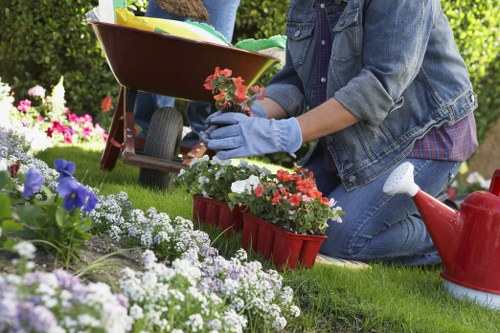
Soft landscaping is often broader than people first expect. Depending on the condition of the space and the outcome you want, the work may include one or several of the following elements:
- Turfing and lawn preparation
- Planting beds, borders, and mixed planting schemes
- Soil improvement, levelling, and ground preparation
- Hedge planting and light shaping
- Mulching, bark chippings, and decorative organic finishes
- Edging for lawn and border definition
- Seasonal planting for colour and texture
- Small shrub and tree planting
- Rejuvenation of tired or patchy garden areas
- Low-maintenance planting plans for busy households or landlords
Some customers want a complete reset after previous planting has failed or the garden has become overgrown. Others only need a targeted refresh, such as replacing damaged turf, reshaping borders, or introducing more privacy planting. The service can be tailored to the property and the pace of use, which is important for homes with children, pets, tenants, or regular visitors.
It is also worth noting that soft landscaping often works best when it is planned with the existing outdoor layout in mind. Rather than forcing a design into the space, a good local team will assess sun exposure, drainage, soil type, and access before recommending the best approach.
Soft landscaping for homes, landlords, and businesses

In Tooting, the customer needs behind outdoor work can be very different. A homeowner may want a child-friendly lawn and attractive borders. A landlord may need a smart, durable garden that is easy to maintain between tenancies. A café, office, or shared residential development may want a tidy entrance or planted area that feels welcoming without demanding constant upkeep.
For residential customers, soft landscaping is often about making better use of limited outdoor space. A small garden can be redesigned to create zones for relaxing, eating, playing, and planting. A neglected garden can be cleared and brought back to life with new turf, improved soil, and hardy planting that suits local conditions. Even a simple front garden refresh can add a lot of value to everyday life.
For commercial customers, the emphasis is usually on presentation, durability, and straightforward maintenance. Planting should look good across the seasons, not just for a few weeks in spring. Routes for foot traffic need to be considered. Access may be tighter. The area may need to be completed with minimal disruption to staff, residents, or customers. A local team used to working in and around Tooting can plan with those details in mind.
Local challenges that matter in Tooting
Working on gardens and outdoor spaces in Tooting often means dealing with practical constraints that are easy to overlook until the job starts. Many streets have restricted parking, which can affect delivery, waste removal, and the transport of plants, turf, and materials. Some properties have side access that is narrow or shared. Others have rear access through passageways or internal communal spaces. A local soft landscaping team should be used to working carefully and efficiently in these conditions.
The area’s property mix also means that soil and drainage conditions can vary quite a bit from one garden to the next. Older gardens may have compacted ground, patchy lawns, or beds filled with poor-quality soil. Shaded areas near tall buildings may struggle with grass growth and need planting that can cope with lower light levels. In some cases, the best answer is not more hard surfacing, but a better-planned planting layout that supports healthier growth and easier maintenance.
There is also the issue of privacy. Many homes in Tooting are close together, which means that planting choices can play an important role in making outdoor spaces feel more secluded. Carefully chosen hedging, screening plants, and layered borders can create a softer, more comfortable environment without making the garden feel closed in.
What the service process usually looks like
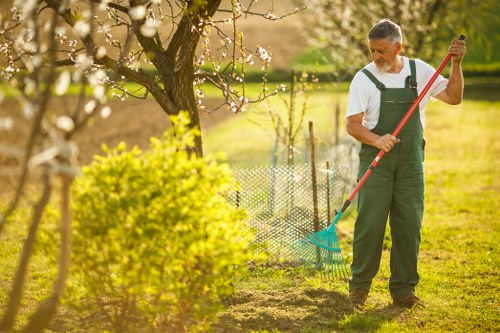
A good soft landscaping project should feel clear and manageable from the start. While every property is different, the usual process follows a practical sequence that helps the work run smoothly and gives you a result that suits your space.
- Initial discussion – You explain what is not working in the garden and what you want to achieve, whether that is a neater finish, more planting, a lawn replacement, or a full refresh.
- Site assessment – The outdoor space is checked for access, soil condition, drainage, light levels, and any existing plants or features that should be kept or removed.
- Planning and recommendations – Suitable soft landscaping options are suggested based on your space, budget, maintenance preferences, and how you use the garden.
- Preparation – This may involve clearing, weeding, cutting back overgrowth, improving the soil, levelling, and preparing beds or turf areas.
- Installation – Turf, plants, borders, mulch, edging, and other agreed elements are installed with care and attention to detail.
- Finishing and aftercare advice – You are given simple guidance on watering, early maintenance, and how to keep the new planting established.
This kind of structured approach helps avoid the common problem of starting a garden project without a proper plan. It also ensures the finished space is not just attractive on day one, but more likely to stay healthy and usable over time.
Book your service now if you want a fresh, practical outdoor space that fits your home and your routine.
Preparation checklist before the work begins
Before any soft landscaping work starts, a few small preparations can help the project go more smoothly. If you are getting ready for turfing, planting, or a garden refresh in Tooting, this checklist is a sensible place to begin:
- Clear access routes of bins, furniture, toys, and movable obstacles
- Decide which plants, pots, or features you want to keep
- Check if there are any shared access arrangements to be aware of
- Let neighbours or building managers know if access is likely to be used
- Identify any areas where drainage or standing water has been a problem
- Think about how much maintenance you want to do after completion
- Make a note of preferred colours, plant styles, and privacy goals
- Consider whether pets, children, or tenants will use the space regularly
It is helpful to be honest about how the garden is used. A planting plan for a low-maintenance rental property is very different from a design for a family garden that needs soft lawn space and seasonal variety. If you want more privacy, that should be part of the brief from the start. If you want the garden to be wildlife-friendly, drought-tolerant, or easy to manage, those priorities should also be included.
Clear preparation means the work can focus on the right result instead of making last-minute assumptions. That is especially important in smaller gardens where every square metre matters.
Pricing factors for soft landscaping

Because every garden is different, soft landscaping costs can vary quite a bit from project to project. Rather than fixed prices, it is usually better to look at the main factors that influence the final quote.
- Size of the area – Larger gardens naturally take more time, materials, and labour.
- Condition of the ground – A neglected or uneven space may need more preparation before planting or turfing.
- Access – Narrow side passages, rear access issues, upper-floor courtyards, or limited parking can affect how materials are brought in.
- Type of materials – Different plants, turf quality, soil amendments, mulch, and edging choices all influence the scope of the work.
- Design complexity – A simple lawn refresh is different from a layered planting scheme with borders, screening, and seasonal interest.
- Ongoing maintenance needs – Low-maintenance solutions may require different materials and plant choices than a more decorative scheme.
When you request a quote, it helps to share photos of the space, an approximate size, and any access details that could affect planning. That gives the team a clearer picture and helps avoid unnecessary delays. If you are comparing options, look for a service that explains what is included, how the work is likely to be carried out, and what preparation may be needed before installation begins.
Contact us today to request a free quote tailored to your garden, courtyard, or commercial outdoor area.
Choosing planting that suits Tooting conditions
Plant choice matters just as much as layout. In a local area like Tooting, some gardens are bright and open, while others are shaded for much of the day. Some spaces dry out quickly in summer, while others hold moisture after rain. The best planting plan is one that suits the conditions already present rather than fighting against them.
Hardier shrubs, shade-tolerant plants, structured hedging, and seasonal bedding can all be combined in ways that look attractive and remain practical. For small urban gardens, layering is often useful: taller elements for privacy, mid-height shrubs for structure, and lower planting or ground cover to reduce bare patches. In sunnier spaces, turf and flowering borders may work well together. In shady courtyards, foliage texture and evergreen structure may be more effective than trying to force a lawn to thrive where it will always struggle.
Soft landscaping in Tooting should feel local, realistic, and maintainable. There is little benefit in creating a display that looks impressive for a week but becomes difficult to manage later. A thoughtful planting design should suit your schedule, your budget, and the way you actually use the space.
Benefits of a well-planned planting scheme
A carefully designed soft landscape can offer more than visual appeal. It can also improve the everyday experience of your property. The main benefits often include:
- Better privacy from neighbouring properties
- More colour and seasonal interest throughout the year
- Improved drainage and healthier ground conditions
- Clearer use of space in small or awkward gardens
- Reduced maintenance compared with overgrown or poorly planned beds
- Greater kerb appeal for homes and managed properties
- A calmer, more inviting feel for everyday use
For many customers, these benefits are just as important as the finished look. A garden should be enjoyable, not stressful. It should be a place you are glad to step into, whether it is for a morning coffee, a family barbecue, or simply a few minutes of fresh air after work.
Soft landscaping for front gardens, rear gardens, and courtyards
Different parts of a property benefit from different approaches. Front gardens tend to need a neat, welcoming presentation that improves the appearance of the house from the street. Rear gardens often need to feel private, practical, and comfortable for daily use. Courtyards and smaller enclosed spaces usually need especially smart planning so they do not feel cramped or difficult to maintain.
In a front garden, simple planting and tidy edging can create a strong first impression without making the space feel busy. In a rear garden, a combination of lawn, borders, and hedging may give a better balance between open use and greenery. For courtyards, container-friendly planting, shade-tolerant species, and compact layouts can make a major difference without requiring major building work.
Each of these spaces can benefit from soft landscaping in slightly different ways, and the most successful projects are usually those that respect the space rather than trying to impose a one-size-fits-all design.
Why choose a local company for soft landscaping in Tooting
Using a local team gives you practical advantages that matter on real jobs. A company familiar with Tooting will already understand the type of properties in the area, the challenges of access and parking, and the needs of both residential and commercial customers. That can save time, reduce disruption, and help ensure the job is planned properly from the outset.
Local knowledge is useful for more than just logistics. It also helps with plant selection, garden layout, and maintenance planning. A team that regularly works in nearby areas such as Balham, Earlsfield, Streatham, Wandsworth, and Colliers Wood is more likely to understand the local conditions your garden may face, from shade and exposure to compacted urban soil.
There is also reassurance in dealing with people who understand the area and are used to working in real homes, real gardens, and real business premises. When a service is local, communication tends to be more straightforward, visits can often be arranged more easily, and the overall process feels more personal and practical.
Areas covered around Tooting
Soft landscaping projects are often carried out across Tooting and the surrounding South West London neighbourhoods. Local work commonly includes nearby residential streets, managed developments, and commercial premises around:
- Tooting Broadway
- Tooting Bec
- Tooting Graveney
- Balham
- Streatham
- Earlsfield
- Wandsworth
- Colliers Wood
- Clapham South
- Merton
These areas often include a wide variety of property types, which is another reason to work with a team that is comfortable adapting the service to the space available. A garden in a terraced street may need a different approach from a ground-floor flat courtyard or a shared residential planting area. The right solution depends on the layout, the use of the space, and the look you want to achieve.
Frequently asked questions
How is soft landscaping different from hard landscaping?
Soft landscaping focuses on living or naturally finished elements such as turf, plants, borders, soil, mulch, and hedging. Hard landscaping refers to built features like paving, walls, decking, and structural work. Many gardens benefit from a mix of both, but soft landscaping is usually what gives the space its colour, texture, and seasonal life.
Can soft landscaping help a small Tooting garden feel bigger?
Yes. A well-planned layout can make a small space feel more open by using clear edging, layered planting, thoughtful spacing, and a balance between lawn and borders. Even in a tight garden, the right planting scheme can reduce clutter and create a more comfortable sense of flow.
What if my garden has poor soil or drainage?
That is very common in urban gardens. Soil improvement, levelling, and careful plant selection can make a significant difference. In some cases, the answer may be to improve the soil first and then choose plants that can cope with the site conditions. A proper assessment before work begins is the best way to avoid wasted effort.
Do I need to clear the garden before the work starts?
Not necessarily, but it helps if access paths are clear and any items you want to keep are moved out of the way. If the garden is overgrown or has a lot of old material in it, the team can usually advise on what should be removed before the main work begins.
Can soft landscaping be low maintenance?
Absolutely. Many customers in Tooting ask for planting schemes that look good without needing constant attention. That can include hardy shrubs, evergreen structure, mulch to suppress weeds, and turf or ground cover suited to the amount of light and use the space gets.
Is soft landscaping suitable for rental properties?
Yes. In fact, it is often one of the best ways to improve the appearance and usability of a rental garden without creating a complicated maintenance burden. Low-maintenance planting and durable turf can make the outside space more appealing to current and future tenants.
What you can expect from a good result
When soft landscaping is done properly, the result should feel natural, tidy, and suited to the property. The garden should look more balanced, feel easier to use, and require less frustration from day to day. The borders should make sense, the planting should suit the light and soil, and the overall layout should feel like it belongs to the home or business rather than being added as an afterthought.
That is especially important in an area like Tooting, where outdoor spaces can be limited in size but still play a big role in everyday living. A successful project does not need to be extravagant. It simply needs to be thoughtful, well-finished, and tailored to the space available.
If you have been putting off garden improvements because the area feels too awkward, too small, or too overgrown, now is a good time to act. The right soft landscaping can turn a neglected outdoor space into something that is pleasant, practical, and easy to maintain.
Simple next step
Request a free quote if you are ready to improve your garden, courtyard, or commercial outdoor space in Tooting. Whether you need turfing, planting, border work, or a full soft landscaping refresh, a local service can help you move from idea to finished result with less stress.
Final note for local customers
Every property is different, so the best results come from a service that listens carefully, checks the site properly, and suggests work that genuinely suits your space. If you are comparing options for soft landscaping in Tooting, choose a team that understands local access, local property styles, and the realities of maintaining gardens in a busy London area. Book your service now and take the first step toward a greener, smarter outdoor space.